- Approximately 70 species of coral
- More than 300 species of fish
- Ideal diving conditions year-round
Overview of Coral Reef Ecosystems in the Anambas Islands
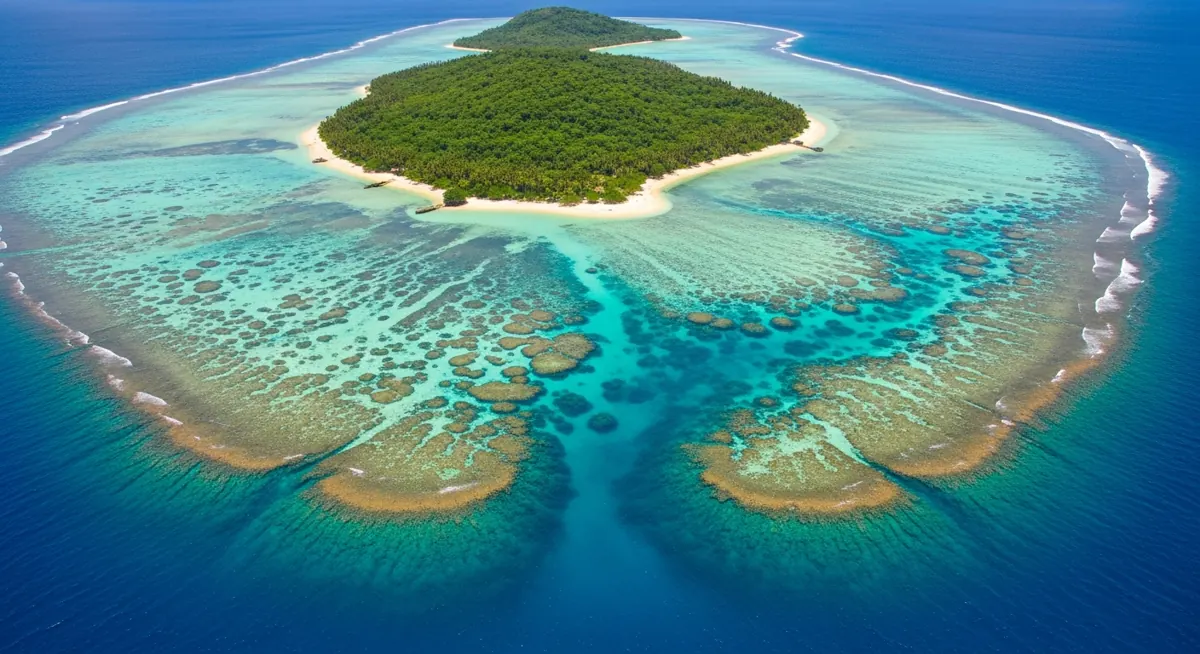
The Anambas Islands, located in Indonesia, are renowned for their coral reef ecosystems. These reefs are crucial not only for marine biodiversity but also for supporting local economies through tourism and fishing. This post provides an overview of the coral reefs of Anambas Islands, covering their ecological significance, diversity, and the best practices for their conservation.
Geographical Context
The Anambas Islands are situated in the South China Sea, roughly 1,000 kilometers northeast of Jakarta. This archipelago consists of over 30 islands, with only a few inhabited. The coral reefs are primarily found in shallow waters surrounding these islands, where the conditions are favorable for coral growth. The warm waters, abundant sunlight, and relatively calm seas create a perfect environment for these ecosystems.
Coral Diversity
The coral reefs of Anambas Islands are home to a rich diversity of marine life. Research indicates that there are approximately 70 species of hard and soft corals present in these waters. The most common types include:
- Staghorn corals (Acropora spp.)
- Brain corals (Platygyra spp.)
- Plate corals (Stylophora spp.)
In addition to corals, the reefs support over 300 species of fish, including popular species such as clownfish, angelfish, and parrotfish. The presence of diverse marine species contributes to the overall health of the reef ecosystems and provides opportunities for eco-tourism.
Ecological Significance
Coral reefs play a vital role in maintaining the health of marine ecosystems. They provide essential services, including:
- Habitat: Reefs serve as habitats for numerous marine organisms, from the smallest plankton to large predators.
- Coastal Protection: They act as natural barriers against waves and storms, protecting coastal communities and habitats.
- Tourism and Economy: Coral reefs attract divers and snorkelers, contributing to local economies.
Moreover, coral reefs are indicators of environmental health. Changes in water temperature, salinity, and pollution levels can affect coral health, making them important for monitoring climate change impacts.
Threats to Coral Reefs
Despite their ecological importance, the coral reefs of Anambas Islands face several threats:
- Climate Change: Rising sea temperatures lead to coral bleaching, where corals expel the algae living in their tissues, resulting in loss of color and vitality.
- Overfishing: Unsustainable fishing practices can deplete fish populations and disrupt the balance of the ecosystem.
- Pollution: Runoff from agriculture and urban areas introduces harmful substances into the marine environment, affecting coral health.
Local and international conservation efforts are crucial to mitigating these threats and ensuring the survival of these ecosystems.
Best Practices for Conservation
Conservation of coral reefs requires a multi-faceted approach, including:
- Community Engagement: Involving local communities in conservation efforts helps promote sustainable practices and protect marine resources.
- Regulation of Fishing: Implementing and enforcing sustainable fishing practices can help maintain fish populations and protect coral habitats.
- Marine Protected Areas: Establishing designated areas where human activities are restricted can help preserve coral ecosystems.
Visitors to the Anambas Islands can support conservation by choosing eco-friendly resorts and participating in responsible diving tours that prioritize reef health.
Best Diving Sites in the Anambas Islands
The Anambas Islands offer some of the best diving sites in Indonesia, with clear waters and rich marine life. Notable dive sites include:
- Shipwreck Point: An old shipwreck that has become a vibrant artificial reef, attracting diverse marine life.
- Pulau Bawah: Known for its clear waters and abundant coral gardens.
- East Bawah: Offers steep drop-offs and impressive coral formations.
Diving conditions are optimal year-round, with water temperatures averaging between 26°C and 30°C. The best time to visit is during the dry season, from March to October, ensuring ideal visibility and calm seas.
Exploring Anambas Island Resort
The Anambas Island Resort is a premier destination for travelers seeking a luxurious yet eco-friendly getaway. Located on the island of Jemaja, the resort offers a unique blend of modern amenities and natural beauty. The resort features spacious beachfront villas with stunning ocean views, providing the perfect base for exploring the surrounding reefs. Prices for accommodations start at approximately $250 USD per night, depending on the season and villa choice.
The resort offers guided snorkel and diving tours, allowing guests to experience the vibrant underwater world of the Anambas Islands. These tours are led by experienced guides who are knowledgeable about the local marine life and committed to sustainable practices.
How to Get to Anambas Island Resort
Traveling to the Anambas Island Resort requires some planning due to its remote location. The nearest airport is Hang Nadim International Airport in Batam, which is approximately 300 kilometers away from the Anambas Islands. From Batam, travelers can take a domestic flight to Matak Airport on the Anambas Islands, operated by small airlines like Wings Air. Flights are typically priced around $100 USD one way. Alternatively, ferries are available from Tanjung Pinang on Bintan Island to Tarempa, the main town of the Anambas, with tickets costing around $30 USD.
Once on the islands, the Anambas Island Resort provides transfer services from either Matak Airport or Tarempa to the resort. These transfers are often included in the resort package, but it’s advisable to confirm when booking.
Seasonal Highlights and Activities
The Anambas Islands offer a range of activities that vary with the seasons. The dry season, from March to October, is the best time for water activities, such as diving, snorkeling, and island hopping. During this period, the seas are calm, and visibility underwater is at its peak, making it ideal for exploring the vibrant marine life. The wet season, from November to February, brings more rainfall and stronger winds, which may limit some activities but provides a unique opportunity to experience the lush, green landscapes of the islands.
In addition to water-based activities, visitors can enjoy hiking on trails across Jemaja Island, such as the trek to Air Terjun Temburun, a stunning multi-tiered waterfall. The resort offers guided tours to these natural attractions, ensuring a safe and informative experience.