– Over 500 species of fish and numerous coral species.
– Popular dive spots like Pulau Bawah and Pulau Selako.
– Seasonal visibility reaching up to 30 meters.
Introduction to Anambas Islands Marine Life
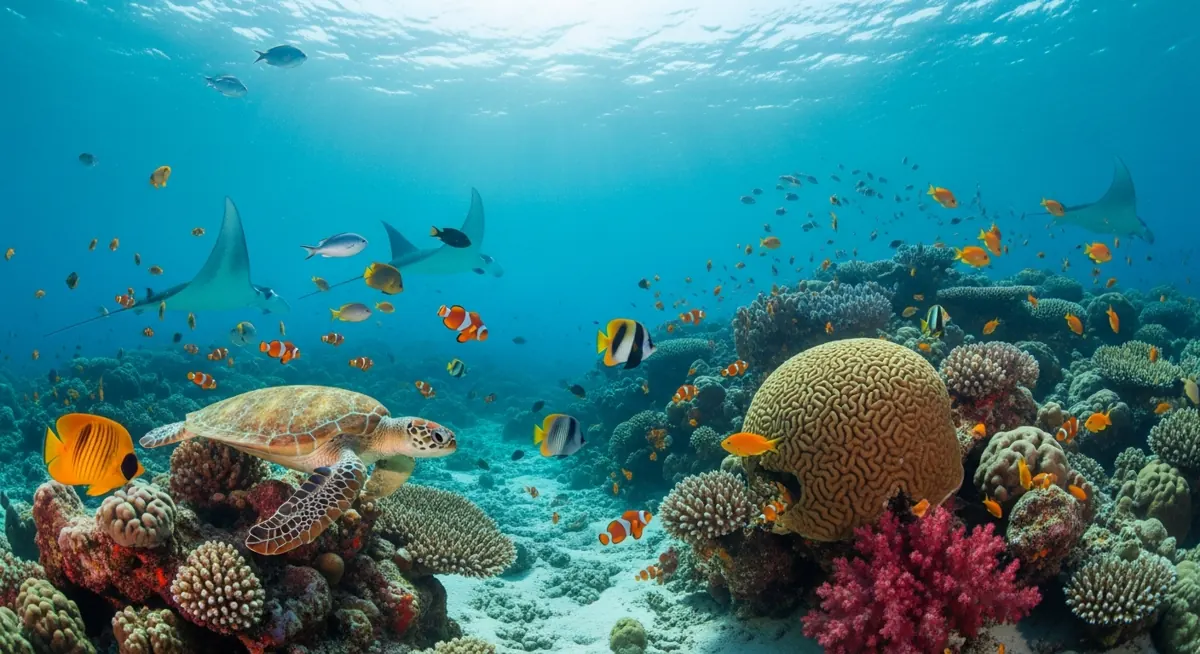
The Anambas Islands, located in the South China Sea, are part of Indonesia’s Riau Archipelago. Known for their crystal-clear waters, these islands host a wide variety of marine life, making them a premier destination for underwater exploration. This guide provides an in-depth look at the vibrant ecosystems you can expect to encounter during your visit to the Anambas Islands.
Marine Biodiversity in Anambas Islands
The Anambas Islands boast rich biodiversity, with over 500 species of fish and a wealth of coral species. The region’s unique geographical features, including coral reefs, sea grass beds, and rocky outcrops, contribute to its ecological richness. Divers and snorkelers can expect to see an range of marine creatures including:
- Coral Species: The reefs are home to both hard and soft corals, providing habitats for various marine species.
- Fish Species: Encounter colorful reef fish like clownfish, parrotfish, and angelfish.
- Marine Mammals: Spot dolphins and, occasionally, dugongs in the surrounding waters.
Best Dive Sites in the Anambas Islands
The Anambas Islands feature several world-class dive sites, each offering unique experiences and marine life encounters. Here are some of the top locations:
Pulau Bawah
Pulau Bawah is one of the most popular dive sites in the Anambas Islands, known for its pristine coral reefs and diverse marine life. The underwater landscape includes colorful coral gardens teeming with fish. Divers can expect to see:
– Large schools of fish
– Sponges and soft corals
– Occasional sightings of larger species like reef sharks
Pulau Selako
Pulau Selako offers a different diving experience with its steep drop-offs and abundant marine life. The site is home to a variety of pelagic fish and is ideal for experienced divers. Key features include:
– Dramatic underwater topography
– Manta rays during certain seasons
– Clear visibility, often exceeding 30 meters
Pulau Midai
Known for its vibrant coral reefs, Pulau Midai is another excellent diving spot. The area is less crowded, allowing for a more serene experience. Highlights of diving here include:
– Rich biodiversity and healthy reef systems
– Opportunities to see turtles and other marine reptiles
– Night dives that reveal a different range of marine life
Seasonal Considerations
Understanding the seasonal patterns in the Anambas Islands can enhance your diving experience. The best time to visit is typically between March and November when the weather is favorable, and visibility is at its peak. Key seasonal details include:
– Dry Season (March to November): Ideal for diving, with calm seas and clear visibility.
– Rainy Season (December to February): Higher chances of rain and rough seas; some dive sites may be less accessible.
– Visibility: Can reach up to 30 meters during the dry season, allowing for exceptional underwater photography.
Types of Marine Life to Encounter
Diving in the Anambas Islands allows for encounters with a wide range of marine life. Here are some notable species you might see:
Fish
The Anambas Islands are home to numerous fish species, including:
– Clownfish
– Butterflyfish
– Surgeonfish
– Groupers
– Snapper
Corals
The coral reefs in the Anambas Islands are diverse, featuring:
– Hard corals: Acropora, Porites, and Montipora species.
– Soft corals: Dendronephthya and Sarcophyton species.
– Anemones: Providing habitat for clownfish.
Other Marine Life
In addition to fish and corals, divers may also encounter:
– Sea turtles: Green and hawksbill turtles are commonly seen.
– Rays: Manta rays and stingrays frequent the waters.
– Sharks: Blacktip and whitetip reef sharks can be spotted.
Conservation Efforts
The Anambas Islands are part of a region that faces marine conservation challenges. Overfishing and climate change threaten the delicate ecosystems. Various organizations are working to promote sustainable tourism and protect marine habitats. Visitors are encouraged to adhere to responsible diving practices, such as:
- Avoid touching or stepping on corals.
- Use reef-safe sunscreen.
- Participate in local conservation initiatives when possible.
Accommodation and Travel Logistics
Staying at the Anambas Island Resort offers a luxurious experience with direct access to some of the best diving sites. The resort provides a range of accommodations, including beachside villas priced around $250 USD per night. For those seeking a more budget-friendly option, nearby guesthouses offer rooms starting at $50 USD per night. It’s essential to book in advance, especially during the peak season from June to August.
Traveling to the Anambas Islands typically involves a flight to Tanjung Pinang, Bintan, followed by a ferry ride to the islands, which takes approximately 7 hours. Alternatively, a direct ferry from Singapore to the Anambas Islands is available, offering a more straightforward journey.
Local Cuisine and Dining
The Anambas Islands offer a unique culinary experience with a mix of Indonesian and Malay flavors. Local eateries, known as warungs, serve traditional dishes such as Nasi Goreng and Satay for around $5 USD. For a more upscale dining experience, the Anambas Island Resort features a restaurant offering a variety of seafood dishes, with meals averaging $20 USD per person.
Be sure to try the locally caught seafood, which is a staple in the region. Fresh fish, prawns, and squid are often grilled or cooked in rich curries, providing a taste of the local culture.
Activities Beyond Diving
While diving is a major attraction, the Anambas Islands also offer other activities for visitors. Kayaking and paddleboarding are popular, with rentals available at most resorts for $10 to $20 USD per hour. Hiking trails on the islands provide an opportunity to explore the lush tropical landscapes and offer stunning views of the surrounding ocean.
For a cultural experience, visit the local villages to learn about traditional crafts and the lifestyle of the island inhabitants. Engaging with the community can provide a deeper understanding of the region’s heritage and traditions.
Planning Your Trip
When planning your visit to the Anambas Islands, consider the following:
– Accommodation: There are several luxury resorts and liveaboard options available, catering to various budgets.
– Diving Packages: Many resorts offer dive packages that include equipment rental, guided dives, and transportation to dive sites.
– Costs: Diving prices can range from $50 to $