- Average temperature: 26-30°C (79-86°F) year-round.
- Best diving months: April to October.
- Rainy season: November to March with increased humidity.
The Anambas Islands, located in Indonesia, are renowned for their rich marine biodiversity and turquoise waters. Understanding the monthly weather patterns is crucial for planning your visit, especially if diving or engaging in water sports is on your agenda. Here’s a detailed look at what you can expect from the Anambas Islands weather by month.
Overview of Monthly Weather Patterns
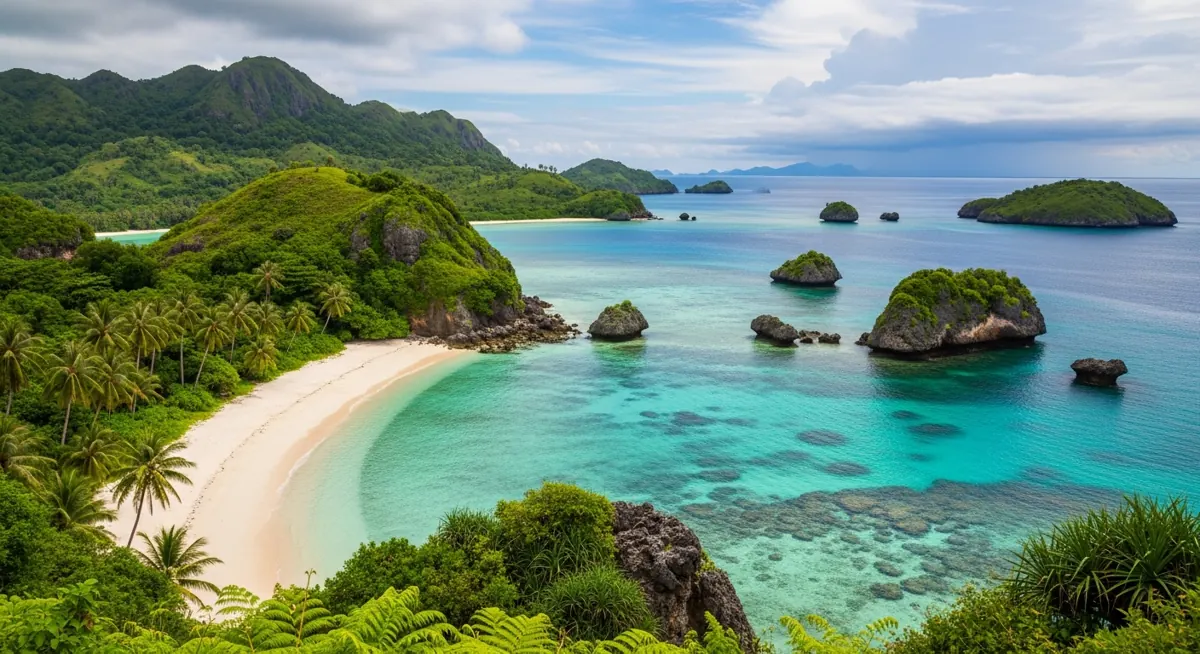
The weather in the Anambas Islands is characterized by a tropical climate, influenced by the surrounding sea. The islands experience two main seasons: the dry season and the wet season. Each month brings its own unique weather characteristics, which can significantly impact your travel experience.
January: The Start of the Wet Season
January marks the beginning of the wet season in the Anambas Islands. You can expect:
- Average temperature: 27°C (81°F)
- Humidity: High, often exceeding 80%
- Rainfall: Approximately 250 mm
While January is wet, many travelers still visit for diving, as the water remains warm and marine visibility can be decent despite the rain.
February: Continued Rainfall
February continues the trend of wet weather, with similar temperatures and humidity levels as January. Key points include:
- Average temperature: 27°C (81°F)
- Rainfall: Around 240 mm
- Sea conditions: Slightly choppier due to winds
Diving opportunities are still available, but be prepared for potential rain interruptions.
March: Transition Month
March serves as a transitional period as the islands start to shift towards the dry season. You will notice:
- Average temperature: 28°C (82°F)
- Rainfall: Decreases to about 200 mm
- Humidity: Begins to drop slightly
This month can be a good time for divers looking for fewer crowds and improving conditions.
April: Beginning of the Dry Season
April heralds the start of the dry season, making it an excellent time for visitors. Characteristics include:
- Average temperature: 29°C (84°F)
- Rainfall: Approximately 100 mm
- Visibility: Optimal for diving, often exceeding 30 meters
April is one of the best months for diving enthusiasts, with calm seas and vibrant marine life.
May: Ideal Diving Conditions
May continues the dry season, providing ideal conditions for outdoor activities. You can expect:
- Average temperature: 29°C (84°F)
- Rainfall: Less than 50 mm
- Sea conditions: Very calm, perfect for diving and snorkeling
This month sees an influx of tourists, so booking accommodations in advance is advisable.
June: Peak Diving Season
June is considered the peak of the dry season, making it one of the best months for a visit. Key aspects include:
- Average temperature: 28°C (82°F)
- Rainfall: Minimal, around 30 mm
- Marine life: Abundant, with excellent visibility
Expect crowded dive spots as many travelers seek to explore the underwater beauty of the islands.
July: Warm and Dry
July maintains the warm and dry conditions of June, ideal for exploring both land and sea. Notable details include:
- Average temperature: 28°C (82°F)
- Rainfall: Less than 30 mm
- Humidity: Relatively low, providing comfortable conditions
This month is another peak time for diving, with many liveaboard experiences available.
August: Continuing Dry Season
August continues the trend of warm, dry weather, making it a favorite among visitors. Key points include:
- Average temperature: 29°C (84°F)
- Rainfall: Approximately 40 mm
- Marine visibility: Excellent, often exceeding 30 meters
August is an excellent month for both divers and snorkelers, with abundant marine life sightings.
September: Transition Back to Wet Season
September marks the beginning of the transition back to the wet season. You will notice:
- Average temperature: 28°C (82°F)
- Rainfall: Increases to about 70 mm
- Humidity: Begins to rise
While still a good month for diving, expect occasional rain showers.
October: Increased Rainfall
October sees a significant increase in rainfall as the wet season approaches. Characteristics include:
- Average temperature: 28°C (82°F)
- Rainfall: Ranges from 150 to 200 mm
- Humidity: High, around 85%
Conditions may vary, making diving less predictable but still possible.
November: Rainy Season Begins
November marks the official start of the rainy season, with weather patterns shifting dramatically. Key aspects include:
- Average temperature: 27°C (81°F)
- Rainfall: Peaks at around 250 mm
- Sea conditions: Can be rough, limiting diving opportunities
This month is generally less favorable for tourism, as frequent rain can disrupt plans.
December: Rainy Season Continues
December continues the rainy season, with weather conditions remaining wet and humid. Expectations for December include:
- Average temperature: 27°C (81°F)
- Rainfall: Similar to November, around 250 mm
- Sea conditions: Rough, with limited diving opportunities
Despite the rain, the lush landscape is a draw for those interested in the island’s natural beauty.
Getting to Anambas Island Resort
Reaching the Anambas Islands, particularly the Anambas Island Resort, involves a combination of air and sea travel. The most common route is to fly from Singapore or Jakarta to Batam, with return flights costing around USD 100-200 depending on the season. From Batam, you can take a ferry to Tarempa in the Anambas Islands, a journey that takes approximately 7-8 hours and costs around USD 30-50. It’s advisable to book ferry tickets in advance, especially during peak travel seasons.
Accommodation Options Near Anambas Island Resort
The Anambas Island Resort offers a range of accommodation options to suit different budgets and preferences. The resort itself provides luxury villas with stunning sea views, starting at around USD 150 per night. For budget travelers, there are guesthouses and homestays in Tarempa, the main town, with prices ranging from USD 20-50 per night. It’s recommended to book accommodations early during the dry season to ensure availability.
Local Attractions and Activities
Beyond diving, the Anambas Islands offer numerous attractions. Pulau Bawah, a short boat ride from the resort, is famous for its pristine beaches and lush greenery. Day trips can cost around USD 100, including meals and snorkeling equipment. For those interested in local culture, visiting Tarempa provides a glimpse into the daily lives of the islanders, with local markets and eateries offering authentic Indonesian cuisine. Hiking trails around the islands offer scenic views and a chance to explore the diverse flora and fauna.